Startup Business Loans: Funding Options, Eligibility, and Interest Costs
Startup Business Loans: Funding Options, Eligibility, and Interest Costs sets the stage for this enthralling narrative, offering readers a glimpse into a story that is rich in detail with casual formal language style and brimming with originality from the outset.
The discussion will delve into the various funding options, eligibility criteria, and interest costs associated with startup business loans, providing a comprehensive guide for aspiring entrepreneurs.
Funding Options
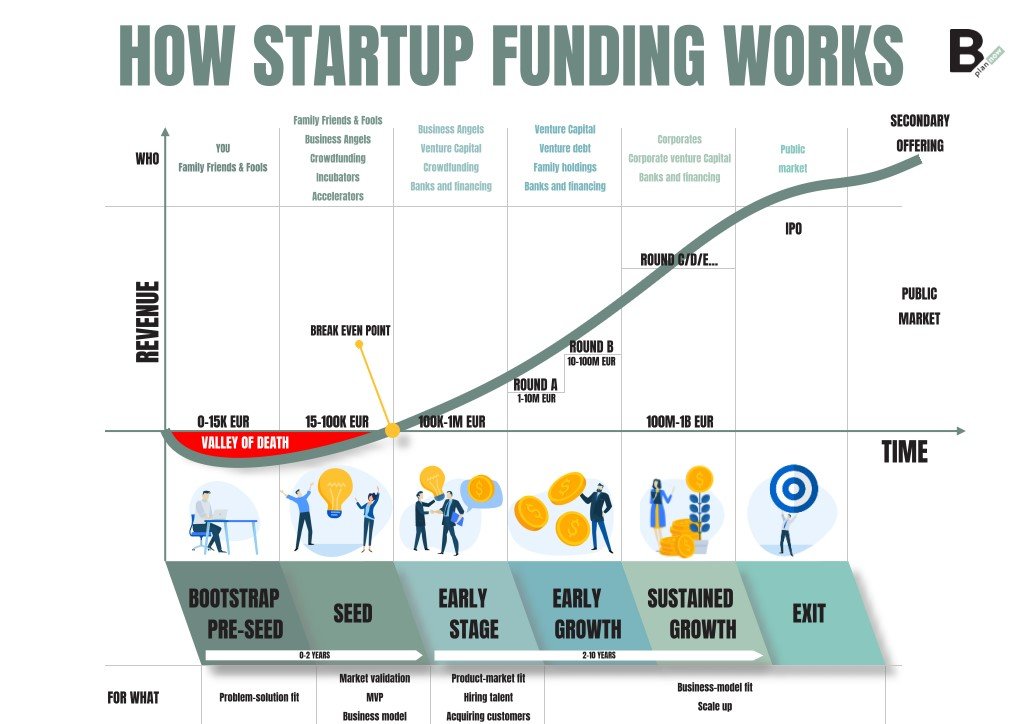
Startup businesses have various funding options to choose from to kickstart their operations. These options range from traditional bank loans to innovative crowdfunding platforms. Let’s explore the different avenues available for startup business loans.
Traditional Bank Loans vs. Online Lenders
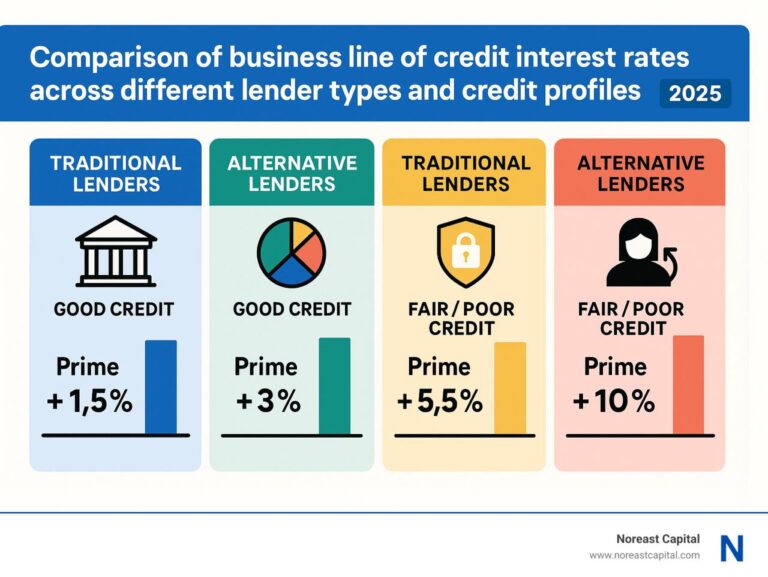
When it comes to obtaining a startup business loan, entrepreneurs often have to decide between traditional bank loans and online lenders. Traditional bank loans typically offer lower interest rates and longer repayment terms but require a solid credit history and collateral.
On the other hand, online lenders provide quicker approval processes and cater to startups with less established credit histories. However, these loans usually come with higher interest rates and shorter repayment terms.
Crowdfunding as an Alternative Funding Option
Crowdfunding has emerged as a popular alternative funding option for startups in recent years. Platforms like Kickstarter and Indiegogo allow entrepreneurs to raise capital by soliciting small investments from a large number of individuals. This method not only provides funding but also helps in validating the business idea and building a customer base.
Government-Backed Loans for Startup Businesses
Government-backed loans, such as those offered by the Small Business Administration (SBA) in the United States, provide startups with access to low-interest loans and favorable terms. These loans are designed to support small businesses and encourage economic growth. By guaranteeing a portion of the loan, the government reduces the risk for lenders, making it easier for startups to secure financing.
Eligibility Criteria
Starting a business is an exciting venture, but securing funding can be a challenging task. Understanding the eligibility criteria for startup business loans is crucial for entrepreneurs looking to finance their new business ventures.
Common Eligibility Requirements
- Valid business plan outlining the company’s goals, target market, financial projections, and operational plan.
- Demonstrated ability to generate revenue and repay the loan through cash flow projections.
- Collateral or personal guarantee to secure the loan, especially for startups with limited operating history.
- Good personal credit score to showcase financial responsibility and reduce the lender’s risk.
Importance of a Solid Business Plan
A well-thought-out business plan is essential for meeting eligibility requirements for startup loans. Lenders rely on the business plan to assess the viability and potential success of the business. It demonstrates the entrepreneur’s understanding of the market, competition, and financial projections, influencing the lender’s decision to approve the loan.
Impact of Personal Credit Score
Personal credit score plays a significant role in determining eligibility for startup loans. A higher credit score reflects financial responsibility and reduces the lender’s risk. Startups with lower credit scores may face challenges in securing loans or may be offered less favorable terms.
It is important for entrepreneurs to maintain a good credit score by paying bills on time and managing debt effectively.
Tips to Improve Eligibility
- Work on building a strong business credit history by establishing trade lines with vendors and suppliers.
- Reduce personal debt and improve your credit score by making timely payments and managing credit utilization.
- Seek mentorship and guidance from experienced entrepreneurs or financial advisors to strengthen your business plan and financial projections.
- Explore alternative funding options such as grants, crowdfunding, or angel investors to supplement traditional loans.
Interest Costs
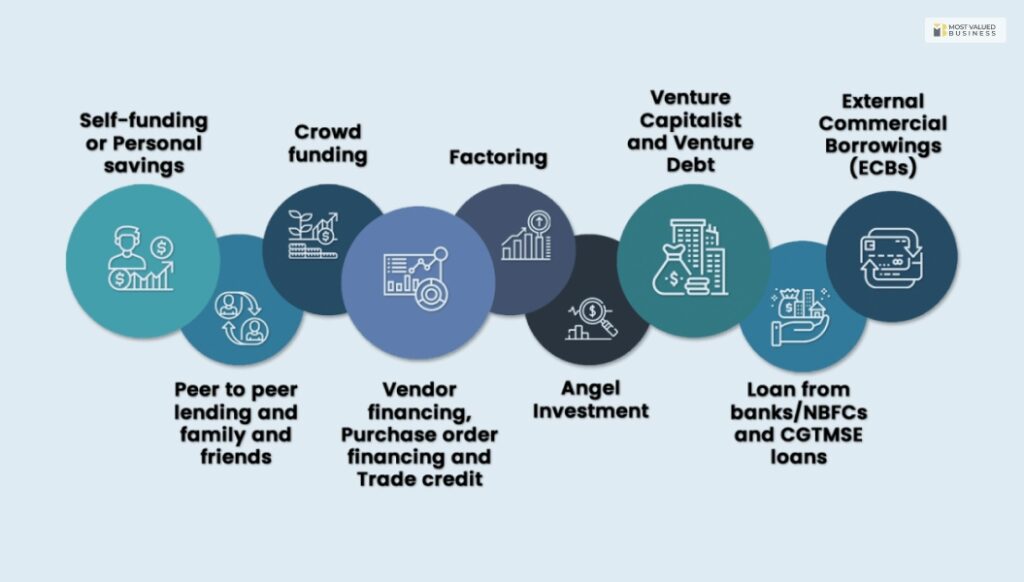
When it comes to startup business loans, understanding the interest costs involved is crucial for managing finances effectively and ensuring the sustainability of the business. Interest rates play a significant role in determining the overall cost of borrowing and can impact the profitability of the venture.
Determining Interest Rates
Interest rates for startup business loans are typically determined based on the lender’s assessment of the risk associated with the loan. Factors such as the borrower’s credit score, business plan, industry trends, and the overall economic climate can influence the interest rate offered.
Fixed vs. Variable Interest Rates
Fixed interest rates remain constant throughout the loan term, providing predictability in monthly payments. On the other hand, variable interest rates fluctuate based on market conditions, offering the potential for lower initial rates but also posing the risk of increased costs over time.
- Fixed Interest Rates:
- Provide stability and predictability in loan repayments.
- Are ideal for startups seeking consistent cash flow management.
- May be slightly higher initially compared to variable rates.
- Variable Interest Rates:
- Can lead to cost savings if interest rates decline.
- Involve the risk of higher payments if rates increase.
- Are suitable for startups comfortable with financial uncertainty.
Impact of Loan Term Length
The length of the loan term also plays a crucial role in determining interest costs. Shorter loan terms typically come with lower interest rates but higher monthly payments, while longer loan terms may result in lower monthly payments but higher overall interest costs.
Shorter loan terms can help startups save on interest costs in the long run, but they require higher monthly payments, which could strain cash flow.
Strategies to Minimize Interest Costs
Startups can adopt several strategies to minimize interest costs on loans:
- Improve creditworthiness to qualify for lower interest rates.
- Compare offers from multiple lenders to secure the most favorable terms.
- Make extra payments towards the principal amount to reduce total interest paid.
- Refinance the loan if better terms become available in the market.
FAQs
What are some common types of startup business loans available?
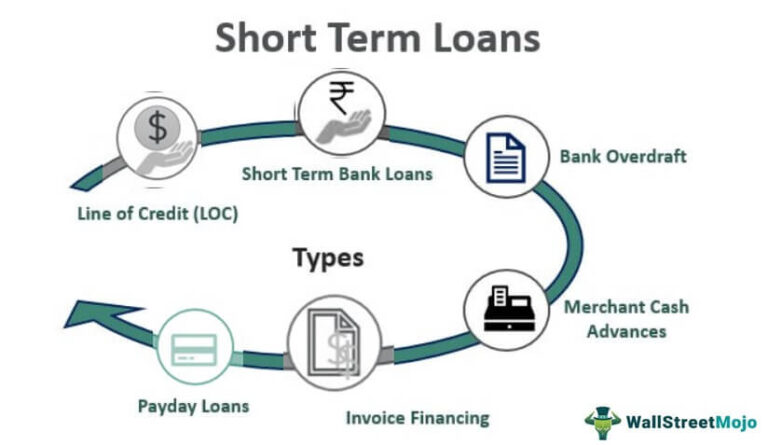
Common types include SBA loans, equipment financing, and business lines of credit.
How does a solid business plan impact loan eligibility for startups?
A well-developed business plan demonstrates viability and can increase eligibility for loans.
What factors determine the interest rates for startup business loans?
Factors include credit history, loan term, and the type of lender chosen.
How can startups minimize interest costs on loans?
Startups can minimize costs by improving credit scores, choosing favorable loan terms, and exploring different lenders.