Short-Term Business Loans: Rates, Fees, and When They Make Sense
Delving into the realm of Short-Term Business Loans: Rates, Fees, and When They Make Sense, this introductory paragraph sets the stage for an insightful exploration, capturing the essence of why these financial tools are crucial for businesses navigating the complex landscape of financing.
Exploring the duration, costs, and benefits associated with short-term loans, this discussion sheds light on key aspects that can impact a business’s financial strategies.
Introduction to Short-Term Business Loans

Short-term business loans are financial products that provide businesses with a quick infusion of cash to address immediate needs or take advantage of opportunities. These loans are typically repaid over a short period, ranging from a few months to a couple of years, making them ideal for businesses looking for temporary financial assistance.
Typical Duration of Short-Term Loans
Short-term business loans usually have a repayment term of 3 to 18 months, although this can vary depending on the lender and the amount borrowed. The shorter repayment period helps businesses manage their debt quickly and avoid long-term financial commitments.
Examples of Situations Where Businesses Might Consider Short-Term Loans
- Managing cash flow gaps during seasonal fluctuations in revenue.
- Purchasing inventory at a discounted rate to take advantage of bulk buying opportunities.
- Covering unexpected expenses such as equipment repairs or emergency maintenance.
- Funding marketing campaigns or projects with a quick turnaround and high potential return on investment.
Interest Rates and Fees
When it comes to short-term business loans, interest rates and fees play a crucial role in determining the overall cost of borrowing. Let’s take a closer look at how interest rates and fees work for short-term loans.
Comparison to Long-Term Loans
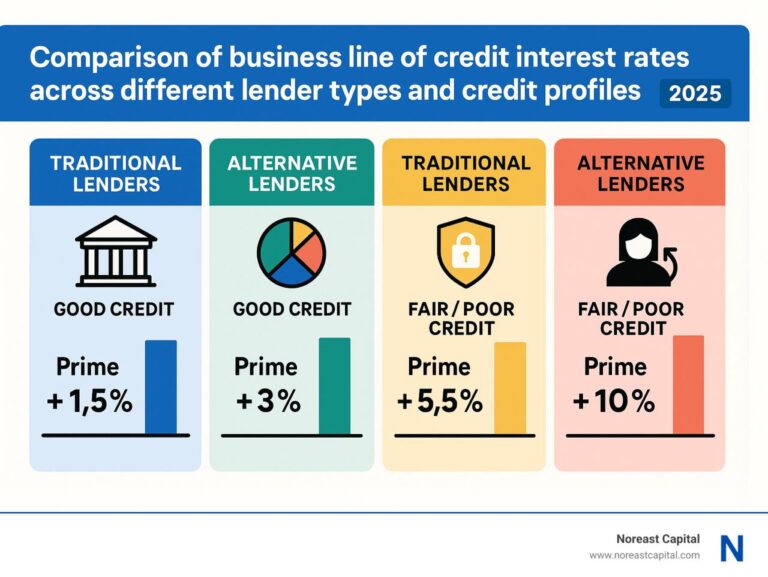
Short-term loans typically have higher interest rates compared to long-term loans. This is because lenders are taking on more risk by providing funds for a shorter period of time. The shorter the loan term, the higher the interest rate is likely to be.
On the other hand, long-term loans spread the risk over a longer period, allowing for lower interest rates.
Common Fees
There are several common fees associated with short-term business loans, including:
- Origination fees: These are charged by lenders for processing the loan application.
- Prepayment penalties: Some lenders may charge a fee if the loan is paid off before the agreed-upon term.
- Late payment fees: If a borrower misses a payment deadline, they may incur late fees.
- Underwriting fees: Lenders may charge fees for underwriting the loan and assessing the borrower’s creditworthiness.
Impact on Cost of Borrowing
These fees can significantly impact the overall cost of borrowing. Borrowers need to consider not only the interest rate but also the fees associated with the loan. For example, a loan with a lower interest rate but high fees may end up costing more than a loan with a slightly higher interest rate and lower fees.
It’s essential to carefully review the terms and conditions of the loan to understand the total cost of borrowing.
Eligibility and Application Process
When it comes to obtaining a short-term business loan, there are specific eligibility requirements that you must meet. The application process can vary depending on the lender, but there are some general steps involved to apply for a short-term loan.
Additionally, there are tips that can help improve your chances of approval.
Typical Eligibility Requirements
- A minimum credit score, usually above 600, to demonstrate creditworthiness.
- A certain amount of time in business, often at least 6 months to a year.
- A minimum annual revenue, typically ranging from $50,000 to $150,000.
- Personal and business financial documents, such as tax returns and bank statements.
Steps in Applying for a Short-Term Loan
- Research and compare different lenders to find the best fit for your business needs.
- Prepare all necessary documents, including financial statements and business plans.
- Fill out the application form with accurate information about your business and financial history.
- Submit your application and wait for the lender’s decision, which can range from a few days to a couple of weeks.
Tips for Improving Approval Chances
- Maintain a good credit score by paying bills on time and reducing debt.
- Show a strong revenue stream and healthy financial performance to demonstrate business stability.
- Prepare a detailed business plan outlining how the loan will be used and how it will benefit your business.
- Consider offering collateral or a personal guarantee to secure the loan.
Benefits of Short-Term Business Loans
Short-term business loans offer several advantages that make them a valuable financing option for businesses looking to manage their cash flow effectively and seize opportunities or address emergencies.
Flexibility and Quick Access to Funds
Short-term business loans provide businesses with the flexibility to access funds quickly and efficiently. Unlike traditional bank loans that may take weeks to approve, short-term loans can often be approved within a few days, allowing businesses to address their financial needs promptly.
Improved Cash Flow Management
Short-term loans can help businesses manage their cash flow effectively by providing them with the necessary funds to cover unexpected expenses or take advantage of growth opportunities. By bridging short-term financial gaps, businesses can ensure smooth operations and avoid disruptions in their cash flow.
Seizing Opportunities and Addressing Emergencies
Short-term loans can be used by businesses to seize opportunities that require immediate capital infusion, such as purchasing inventory at a discounted price or investing in marketing campaigns to boost sales. Additionally, these loans can help businesses address emergencies like equipment breakdowns or unexpected expenses, ensuring that operations continue without interruption.
Risks and Considerations
When considering short-term business loans, it is crucial to be aware of the potential risks involved. Carefully assessing the repayment terms and understanding the implications of taking out a loan are essential steps to ensure the financial health of your business.
Potential Risks
- High Interest Rates: Short-term business loans often come with higher interest rates compared to traditional long-term loans. This can increase the overall cost of borrowing and put a strain on your finances.
- Quick Repayment: Short-term loans typically have shorter repayment terms, requiring you to make frequent and larger payments. Failing to meet these repayment deadlines can lead to additional fees and damage to your credit score.
- Impact on Cash Flow: Taking out a short-term loan can affect your business’s cash flow, especially if the repayments are substantial. It is essential to ensure that you can manage the repayments without jeopardizing your day-to-day operations.
Strategies for Mitigating Risks
- Thoroughly Review Terms: Before accepting a short-term loan, carefully review the terms and conditions, including interest rates, fees, and repayment schedules. Make sure you understand all the costs involved to avoid any surprises later on.
- Create a Repayment Plan: Develop a detailed repayment plan that Artikels how you will meet the loan obligations without impacting your business’s financial stability. Consider factors such as cash flow projections and budget adjustments to ensure timely repayments.
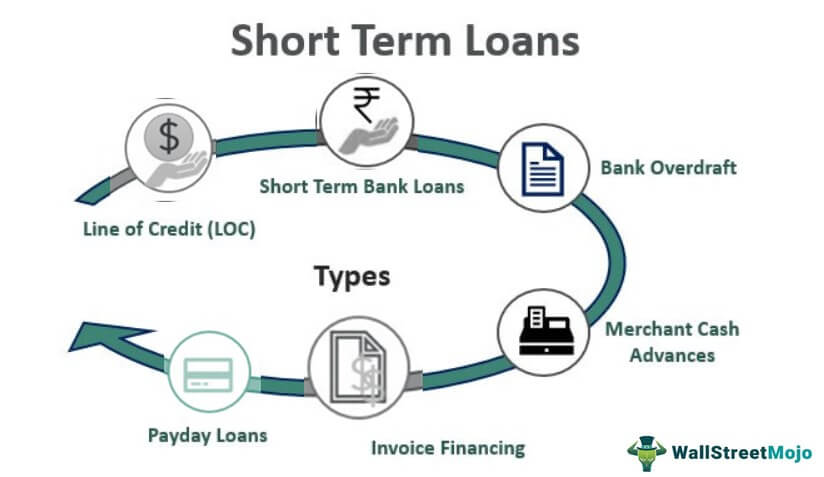
- Explore Alternatives: Before committing to a short-term loan, explore other financing options such as lines of credit, business credit cards, or crowdfunding. Compare the terms and costs of different options to choose the most suitable one for your business.
Common Queries
What are the typical eligibility requirements for short-term business loans?
Eligibility requirements often include a minimum credit score, time in business, and monthly revenue criteria.
How do short-term loan interest rates compare to long-term loans?
Short-term loan interest rates are typically higher than long-term loans due to the shorter repayment period.
Can short-term loans help businesses manage cash flow effectively?
Yes, short-term loans can provide quick injections of capital to address immediate financial needs and maintain cash flow stability.
What risks are associated with short-term business loans?
Risks include higher interest rates, potential impact on credit score, and the need for careful repayment planning.