
Commercial Vehicle Financing: Loan Rates, Terms, and Monthly Payment Options
Starting off with Commercial Vehicle Financing: Loan Rates, Terms, and Monthly Payment Options, this introductory paragraph aims to provide a compelling overview of the topic, drawing readers in with valuable insights and information.
The subsequent paragraph will delve deeper into the specifics of the subject matter.
Overview of Commercial Vehicle Financing
Commercial vehicle financing is a crucial aspect of many businesses, allowing them to acquire the vehicles needed to operate efficiently without a large upfront cost. This type of financing involves obtaining a loan or lease to purchase commercial vehicles, such as trucks, vans, or buses, which are essential for transporting goods, equipment, or passengers.
Types of Commercial Vehicles Commonly Financed
- Delivery trucks: Used by businesses to transport goods to customers or between locations.
- Cargo vans: Ideal for small to medium-sized businesses needing to transport equipment or products.
- Semi-trucks: Essential for companies involved in long-haul transportation of goods.
- Buses: Used by schools, tour companies, and transportation services for passenger transport.
Benefits of Financing Commercial Vehicles
- Conserves Capital: Financing allows businesses to preserve their cash flow for other operational expenses.
- Tax Benefits: Depending on the financing structure, businesses may be eligible for tax deductions on interest payments or depreciation.
- Flexible Payment Options: Financing offers various payment plans, including monthly installments, to suit the business’s budget.
- Upgraded Fleet: Regular financing allows businesses to upgrade their vehicles to newer models with advanced features, improving efficiency and safety.
Loan Rates for Commercial Vehicles
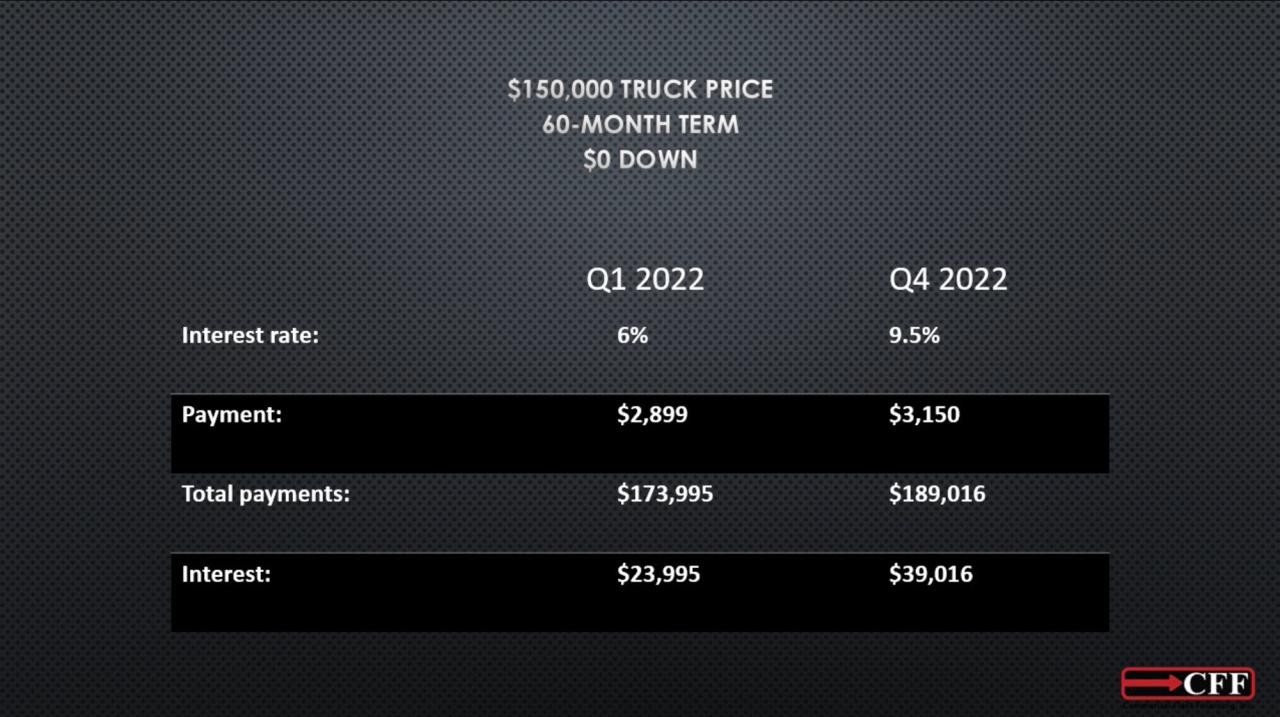
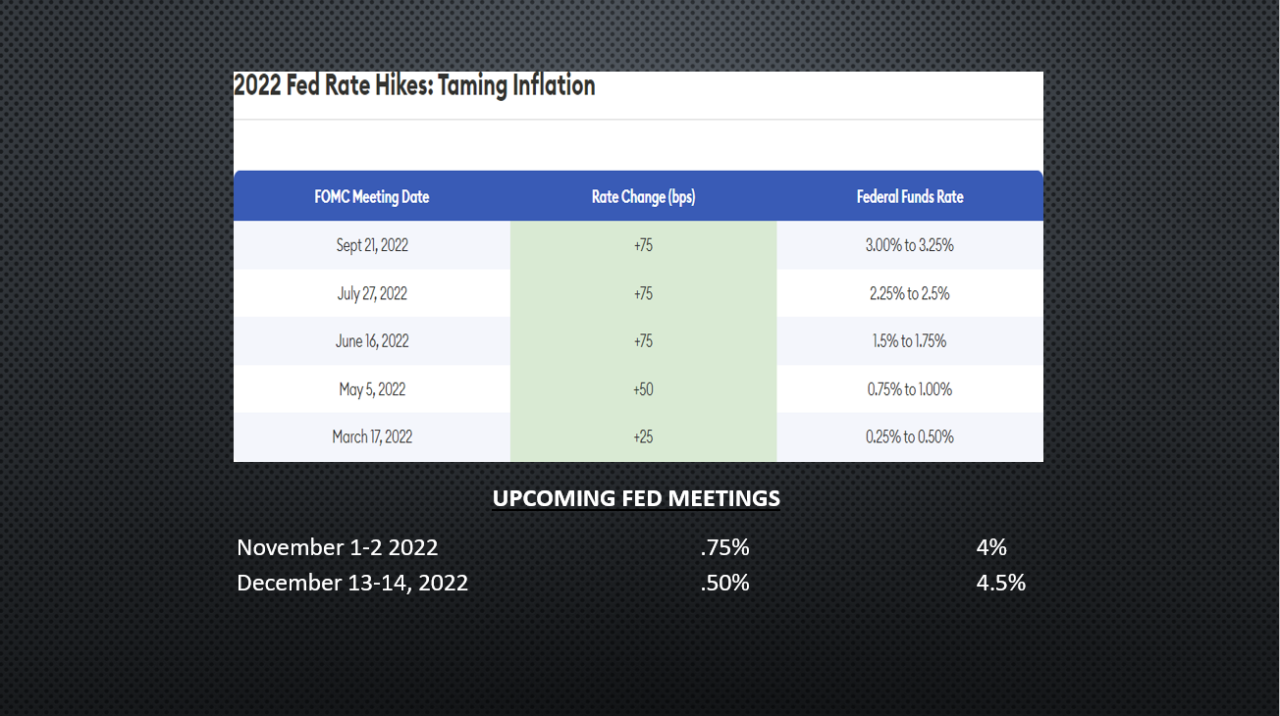
When it comes to financing a commercial vehicle, understanding the loan rates is crucial. Lenders determine these rates based on various factors, which can significantly impact the overall cost of the loan.
Factors Influencing Interest Rates
Interest rates for commercial vehicle loans are influenced by several key factors:
- The borrower’s credit score: A higher credit score typically results in lower interest rates, as it indicates a lower risk for the lender.
- The loan amount and term: Larger loan amounts or longer loan terms may lead to higher interest rates.
- The type of vehicle: The make, model, and age of the commercial vehicle can affect the interest rate, with newer vehicles often qualifying for lower rates.
- Market conditions: Economic factors, such as the current interest rate environment and lender competition, can also impact interest rates.
Fixed-Rate vs. Variable-Rate Options
When considering commercial vehicle financing, borrowers can choose between fixed-rate and variable-rate options:
- Fixed-rate loans offer a consistent interest rate throughout the loan term, providing stability and predictability in monthly payments.
- Variable-rate loans, on the other hand, have interest rates that can fluctuate based on market conditions. While initial rates may be lower, there is a risk of rates increasing over time.
Terms and Conditions of Commercial Vehicle Loans
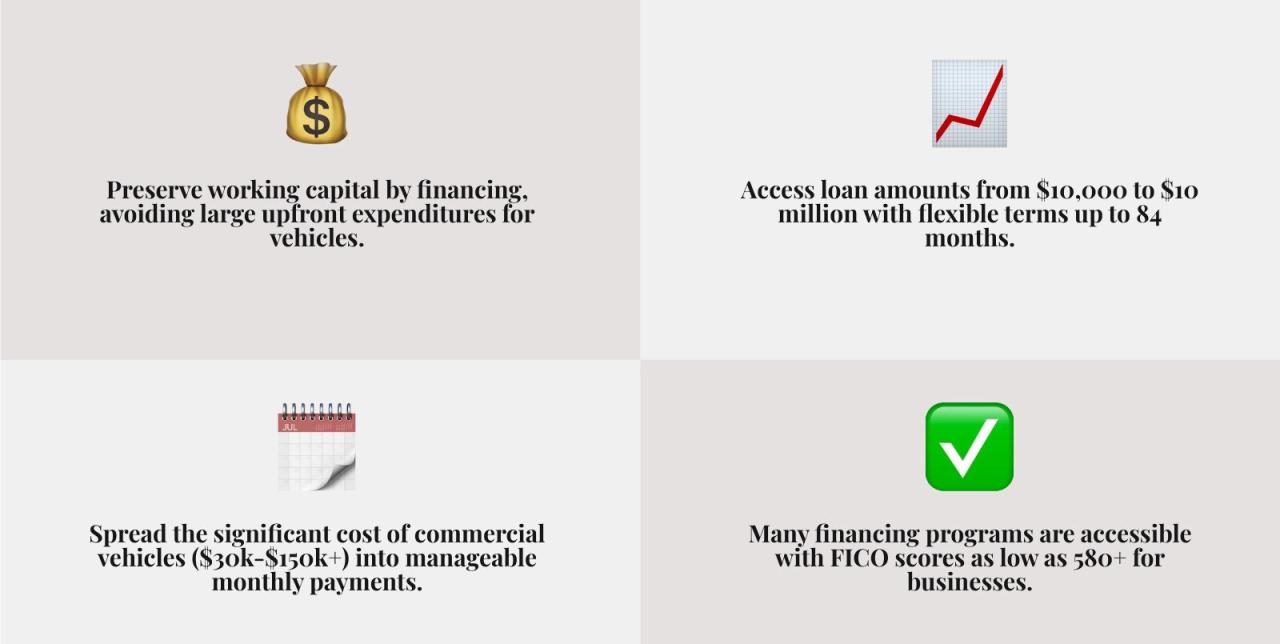
When considering commercial vehicle loans, it is essential to understand the terms and conditions that come with them. These terms can vary depending on the lender and the specific situation, so it is crucial to be well-informed before making any decisions.
Loan Terms Overview
Commercial vehicle loans typically come with varying loan terms that borrowers can choose from. These terms usually range from a few months to several years, with the most common options being short-term and long-term loans.
- Short-Term Loans: Short-term commercial vehicle loans typically have a duration of up to three years. These loans often come with higher monthly payments but lower overall interest costs. They are ideal for businesses looking to pay off the loan quickly and reduce interest expenses.
- Long-Term Loans: Long-term commercial vehicle loans, on the other hand, can have terms extending up to seven years or more. While they result in lower monthly payments, borrowers may end up paying more in interest over the life of the loan.
These loans are suitable for businesses looking to spread out their payments over an extended period.
Specific Requirements for Borrowers
Commercial vehicle loans may also come with specific requirements or conditions that borrowers need to meet in order to qualify for financing. These requirements can vary but often include factors such as:
- Good Credit Score: Lenders typically look for a solid credit history when approving commercial vehicle loans. A good credit score can help borrowers secure better loan terms and lower interest rates.
- Down Payment: Some lenders may require a down payment when financing a commercial vehicle. This upfront payment reduces the amount borrowed and can affect the loan terms offered.
- Business Financials: Lenders may also request financial documents from the business, such as income statements and balance sheets, to assess the company’s financial stability and ability to repay the loan.
Monthly Payment Options for Commercial Vehicle Financing
When it comes to commercial vehicle financing, understanding the monthly payment options is crucial for managing your budget effectively. Let’s dive into the various payment structures available for commercial vehicle loans and how you can calculate monthly payments based on the loan amount, interest rate, and term.
Fixed Monthly Payments
One common payment structure for commercial vehicle financing is fixed monthly payments. With this option, you’ll pay the same amount every month throughout the loan term, making it easier to budget and plan for your expenses.
Monthly Payment = (Loan Amount + Interest) / Loan Term
Balloon Payments
Another payment option is balloon payments, where you make lower monthly payments throughout the loan term but a larger final payment (balloon payment) at the end. This can help reduce your monthly expenses but requires careful planning to ensure you can afford the final lump sum payment.
Seasonal Payment Plans
For businesses with seasonal cash flows, seasonal payment plans may be more suitable. This option allows you to adjust your monthly payments based on your business’s seasonal income fluctuations, providing flexibility to manage financial strain during slow seasons.
Strategies for Managing Monthly Payments
- Review your budget and cash flow regularly to ensure you can afford your monthly payments.
- Consider making extra payments when possible to reduce the total interest paid over the loan term.
- Negotiate with lenders for better terms or refinancing options if you’re facing financial difficulties.
Questions and Answers
What factors influence commercial vehicle loan rates?
Commercial vehicle loan rates are influenced by the borrower’s credit score, the age and condition of the vehicle, and the loan term. Lenders also consider market conditions and the borrower’s financial history.
What are the typical loan terms for commercial vehicle financing?
Typical loan terms for commercial vehicle financing range from 1 to 7 years, depending on the lender and the borrower’s financial profile. Short-term loans offer quicker repayment but higher monthly payments, while long-term loans spread out payments over a longer period.
How are monthly payments calculated for commercial vehicle loans?
Monthly payments for commercial vehicle loans are calculated based on the loan amount, interest rate, and loan term. The formula involves dividing the total loan amount by the number of months in the loan term, then adding the interest.