Merchant Cash Advance: Costs, Repayment, and Alternatives for Small Businesses
As Merchant Cash Advance: Costs, Repayment, and Alternatives for Small Businesses takes center stage, this opening passage beckons readers with casual formal language style into a world crafted with good knowledge, ensuring a reading experience that is both absorbing and distinctly original.
In the following paragraphs, we will delve into the intricacies of Merchant Cash Advances, shedding light on costs, repayment processes, and alternative funding options for small businesses.
Merchant Cash Advance Overview
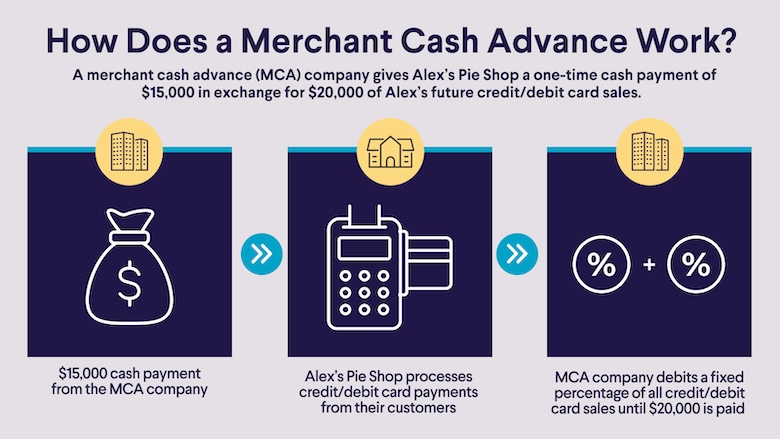
A Merchant Cash Advance is a type of financing option available to small businesses where a lender provides a lump sum payment in exchange for a percentage of the business’s daily credit card sales, plus a fee. This form of financing is typically used by businesses that have a consistent volume of credit card sales but may not qualify for traditional loans.
Typical Costs of Merchant Cash Advances
- Factor rate: This is the multiplier used to determine the total repayment amount, typically ranging from 1.14 to 1.48.
- Origination fee: A one-time fee charged by the lender, usually around 2% to 5% of the advance amount.
- Additional fees: Some lenders may also charge application fees, processing fees, or other miscellaneous charges.
When considering a Merchant Cash Advance, small businesses should be aware of the following typical costs:
Benefits of Merchant Cash Advances for Small Businesses
- Quick access to funds: Merchant Cash Advances typically have a fast approval process, allowing businesses to access funds quickly.
- No fixed monthly payments: Repayments are based on a percentage of daily credit card sales, making them more flexible during slow sales periods.
- No collateral required: Unlike traditional loans, Merchant Cash Advances are usually unsecured, meaning businesses don’t have to put up collateral to qualify.
Small businesses can benefit from Merchant Cash Advances in various ways:
Repayment Process
The repayment process for a Merchant Cash Advance involves a unique structure compared to traditional loans. When a small business receives a cash advance, the repayment is based on a percentage of daily credit card sales. This means that the amount paid towards the advance fluctuates depending on the business’s daily revenue.
Factors Affecting Repayment Terms
- The amount of credit card sales: Higher sales volume leads to a faster repayment of the cash advance.
- The agreed-upon factor rate: This rate determines how much the business will pay back on top of the initial advance amount.
- The length of the repayment term: Shorter terms mean higher daily payments, while longer terms result in lower daily payments but potentially higher overall costs.
- The business’s financial stability: Lenders may consider the business’s financial health when setting repayment terms.
Comparison with Traditional Loans
- Repayment Structure:Traditional loans have fixed monthly payments, while Merchant Cash Advances have flexible daily payments based on sales.
- Credit Score Impact:Merchant Cash Advances do not typically impact credit scores, unlike traditional loans that can affect credit ratings.
- Collateral:Traditional loans may require collateral, while Merchant Cash Advances are unsecured based on future sales.
- Approval Process:Merchant Cash Advances have quicker approval processes compared to traditional loans, which can take longer to secure.
Costs Involved
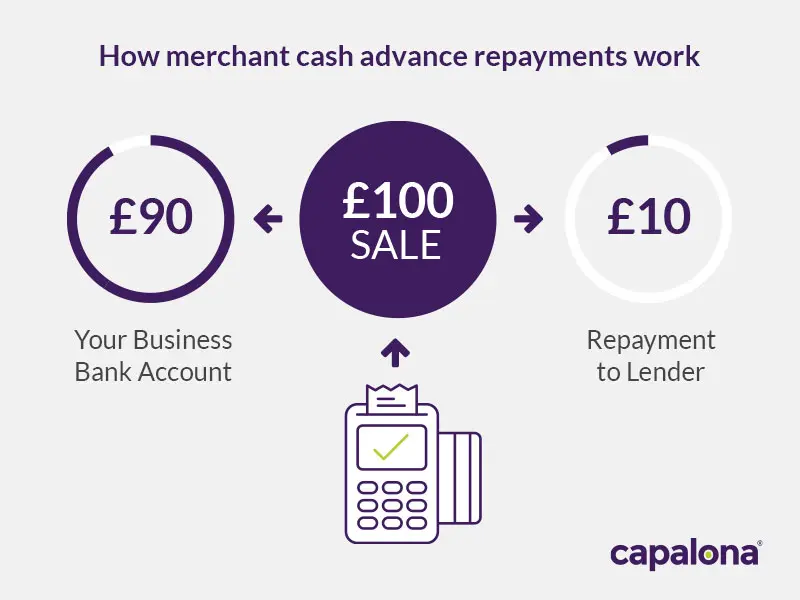
When considering Merchant Cash Advances, it’s crucial for small businesses to understand the various fees and charges associated with this type of funding. These costs can have a significant impact on the overall financial health of a business, so it’s essential to be aware of them and plan accordingly.
Various Fees and Charges
- Factor rate: This is the multiplier used to determine the total repayment amount. It typically ranges from 1.1 to 1.5, meaning you’ll pay back 10% to 50% more than the original advance.
- Origination fee: This is a one-time fee charged when the advance is funded, usually around 2% to 5% of the total amount.
- ACH fees: These are charges for transferring funds electronically, which can add up over time.
- Additional fees: Some lenders may also include closing costs, underwriting fees, and maintenance fees, so it’s important to review the terms carefully.
Impact on Small Businesses
- Reduced cash flow: The high costs associated with Merchant Cash Advances can eat into a business’s cash flow, making it challenging to cover regular expenses.
- Increased debt burden: With the added fees and charges, small businesses may find themselves accumulating more debt than anticipated, leading to financial strain.
- Limited growth opportunities: The costs of a Merchant Cash Advance can hinder a business’s ability to invest in growth opportunities or new ventures.
Strategies to Minimize Costs
- Compare offers: Shop around and compare offers from different lenders to find the most competitive terms and rates.
- Negotiate terms: Don’t be afraid to negotiate with lenders to see if they can reduce fees or offer a better deal.
- Understand the terms: Before accepting any funding, make sure you fully understand the terms and costs involved to avoid any surprises.
- Explore alternative financing options: Consider other funding options such as business loans or lines of credit that may have lower costs in the long run.
Alternatives for Small Businesses
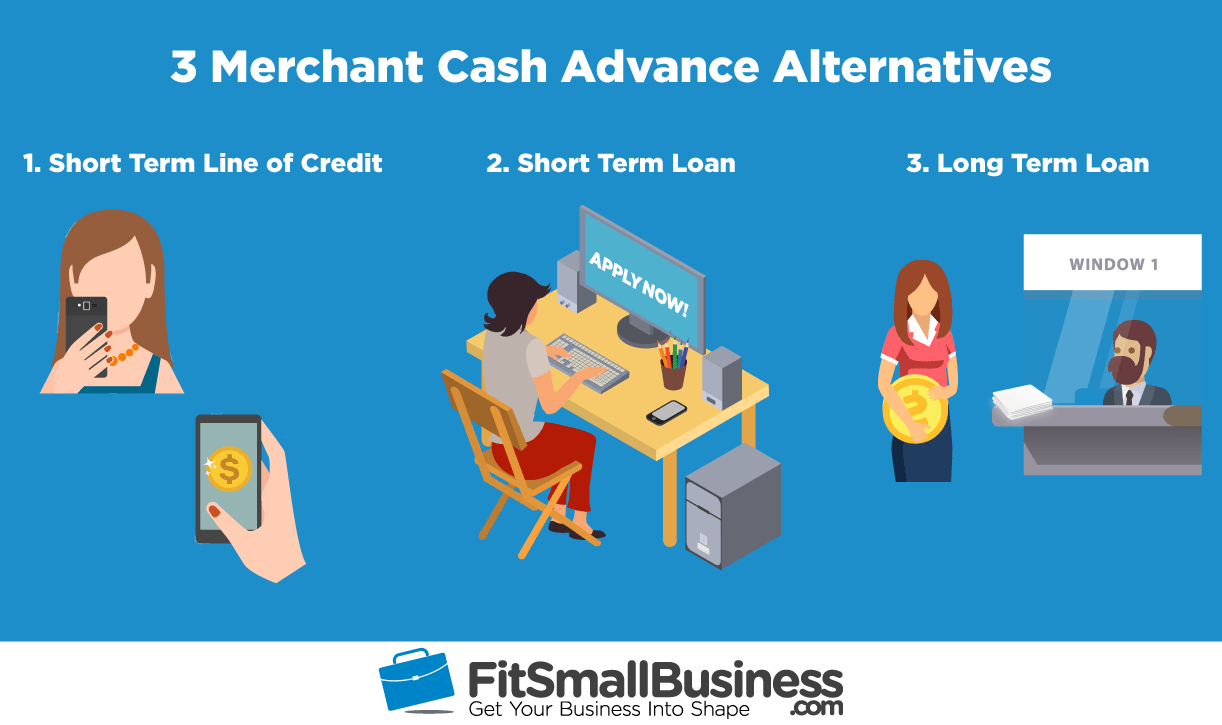
When considering funding options for small businesses, it’s important to explore alternatives to Merchant Cash Advances. Each option has its own set of pros and cons, so let’s compare them to help you make an informed decision.
Traditional Bank Loans
Traditional bank loans are a common funding option for small businesses. While they typically offer lower interest rates compared to Merchant Cash Advances, the application process can be lengthy and require extensive documentation. Eligibility criteria often include a good credit score, solid business plan, and collateral.
Business Line of Credit
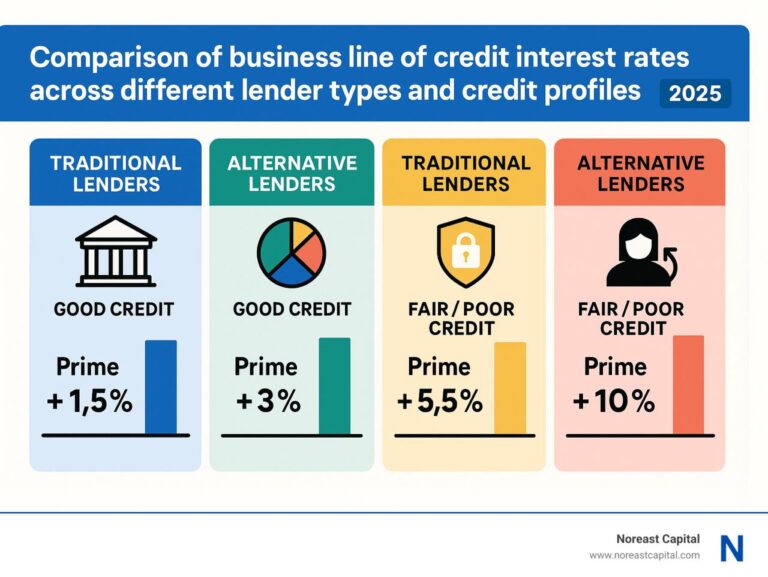
A business line of credit provides flexibility for small businesses to access funds when needed. This option allows you to borrow up to a certain limit and only pay interest on the amount borrowed. Eligibility criteria may include a good credit score and proven revenue.
Small Business Administration (SBA) Loans
SBA loans are government-backed loans that offer competitive rates and longer repayment terms. While the application process can be rigorous, these loans are a popular choice for small businesses looking for affordable financing. Eligibility criteria may vary based on the type of SBA loan.
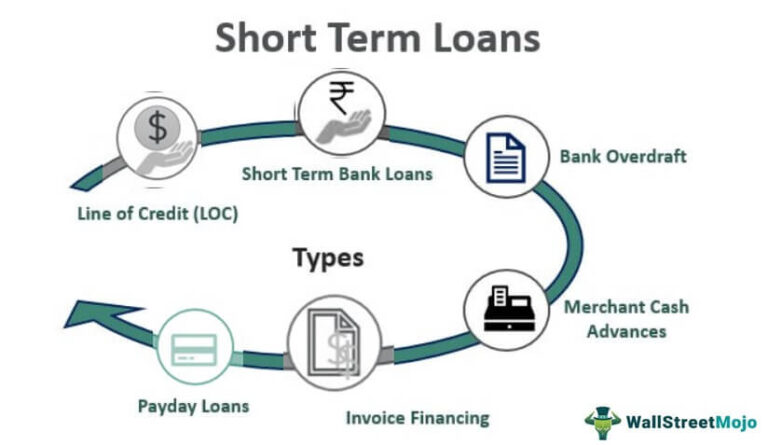
Invoice Financing
Invoice financing allows businesses to receive advances on outstanding invoices. This option can help improve cash flow and provide quick access to working capital. Eligibility criteria often focus on the creditworthiness of your customers rather than your own credit score.
Common Queries
What are the typical costs associated with Merchant Cash Advances?
The costs usually include a factor rate, which determines the total repayment amount, along with additional fees such as origination fees and processing fees.
How does the repayment process work for a Merchant Cash Advance?
Repayment is typically done through a percentage of daily credit card sales or fixed daily or weekly payments until the advance is fully paid off.
What are some alternative funding options available to small businesses?
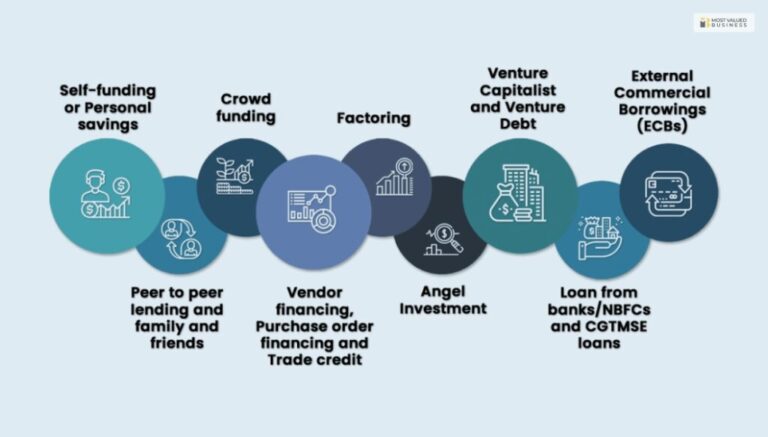
Alternatives include business loans, lines of credit, crowdfunding, and angel investors, each with their own set of pros and cons.