Business Line of Credit Rates: Costs, Limits, and Repayment Terms Explained
With Business Line of Credit Rates: Costs, Limits, and Repayment Terms Explained at the forefront, this paragraph opens a window to an amazing start and intrigue, inviting readers to embark on a storytelling filled with unexpected twists and insights.
The content of the second paragraph that provides descriptive and clear information about the topic
Overview of Business Line of Credit Rates
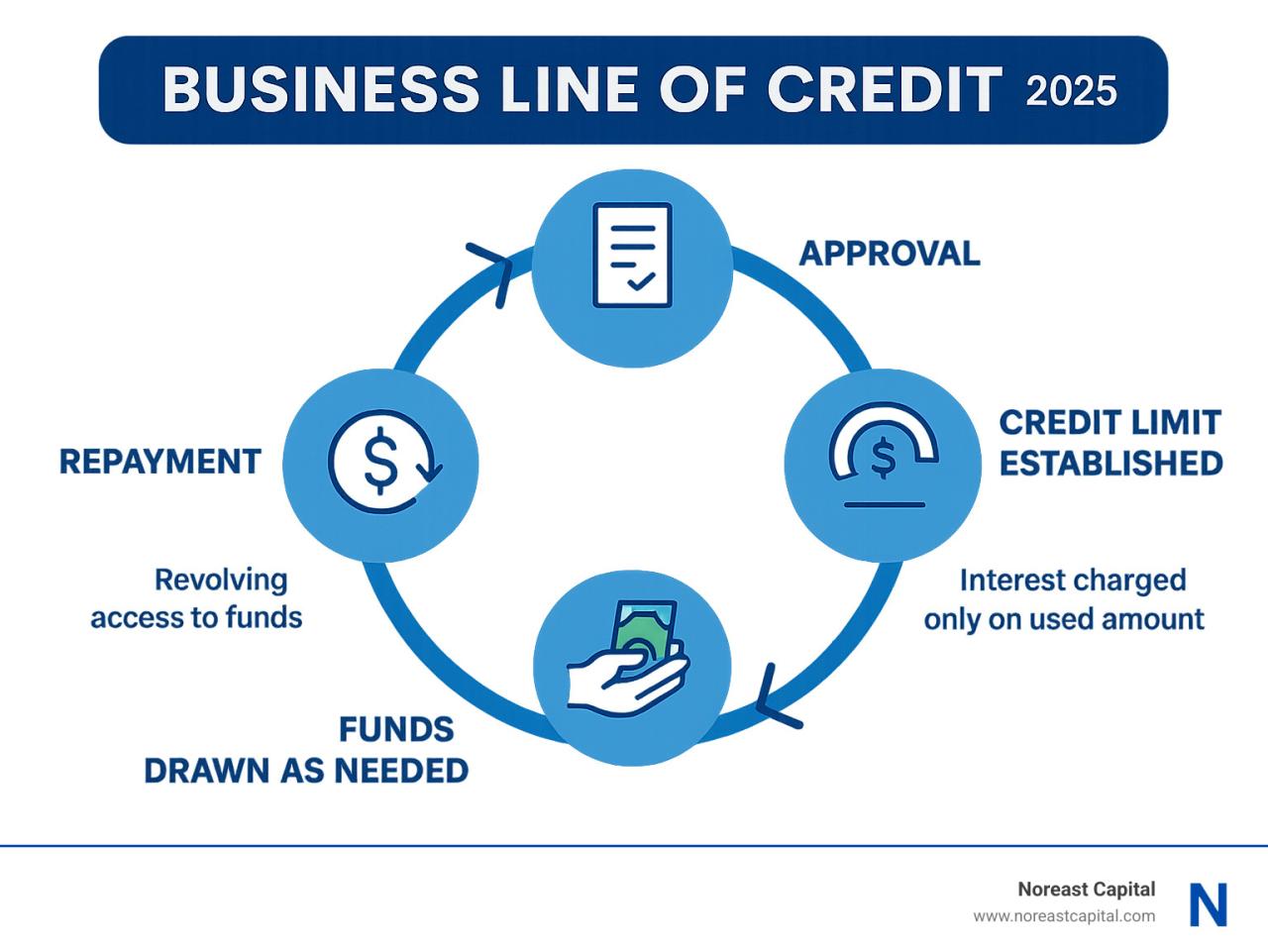
Business line of credit rates refer to the interest rates charged on a business line of credit, which is a flexible form of financing that allows businesses to borrow funds up to a certain limit.
These rates are determined based on various factors, including the borrower’s creditworthiness, the lender’s assessment of risk, current market conditions, and the overall health of the business.
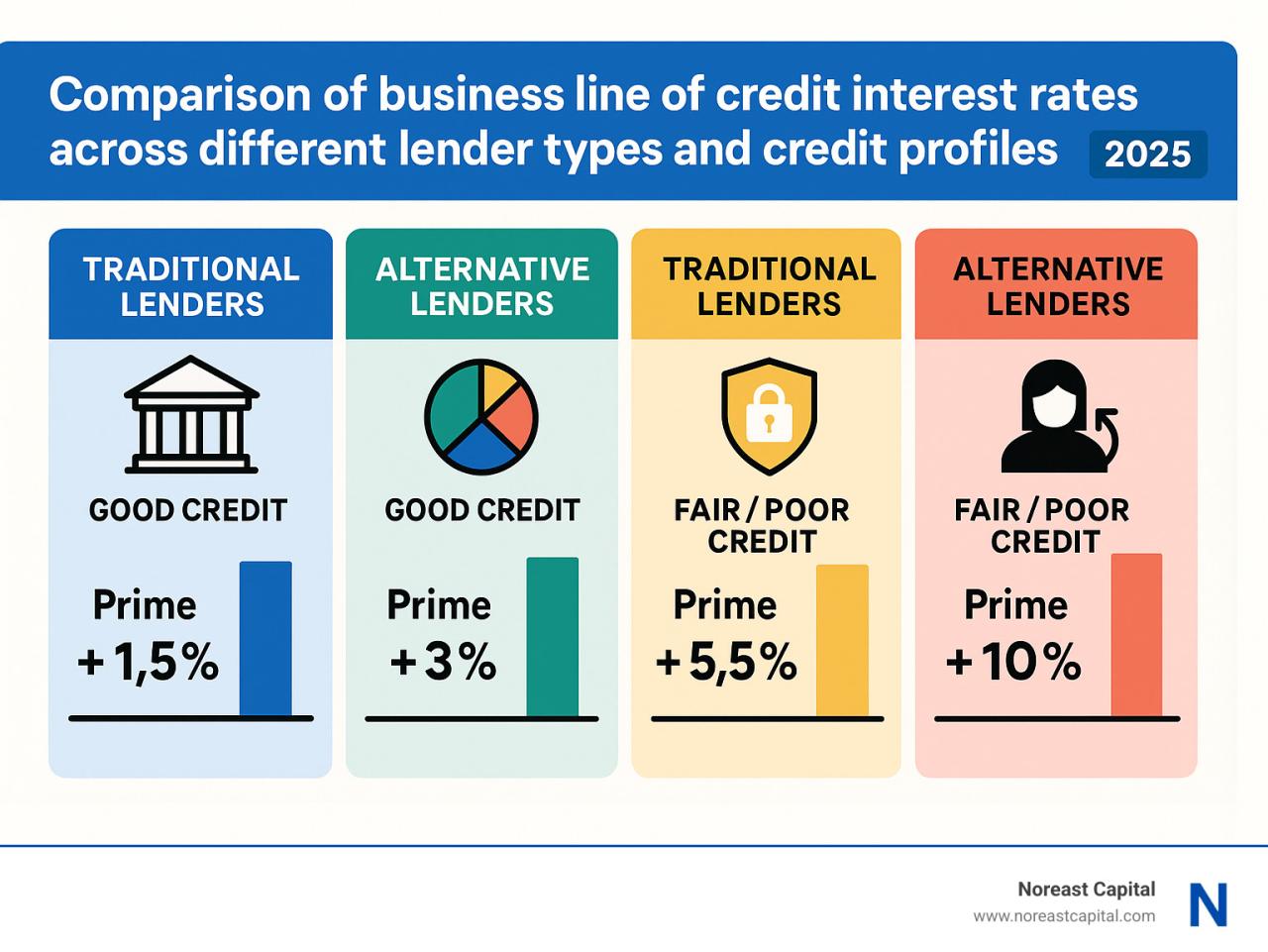
Typical Interest Rates for Business Lines of Credit
- Interest rates for business lines of credit can vary widely, ranging from as low as 7% to as high as 25% or more.
- Lenders may offer variable or fixed interest rates, with variable rates typically tied to a benchmark like the prime rate.
- Businesses with strong credit profiles and healthy financials are likely to qualify for lower interest rates, while riskier businesses may face higher rates to compensate for the increased risk.
Costs Associated with Business Line of Credit
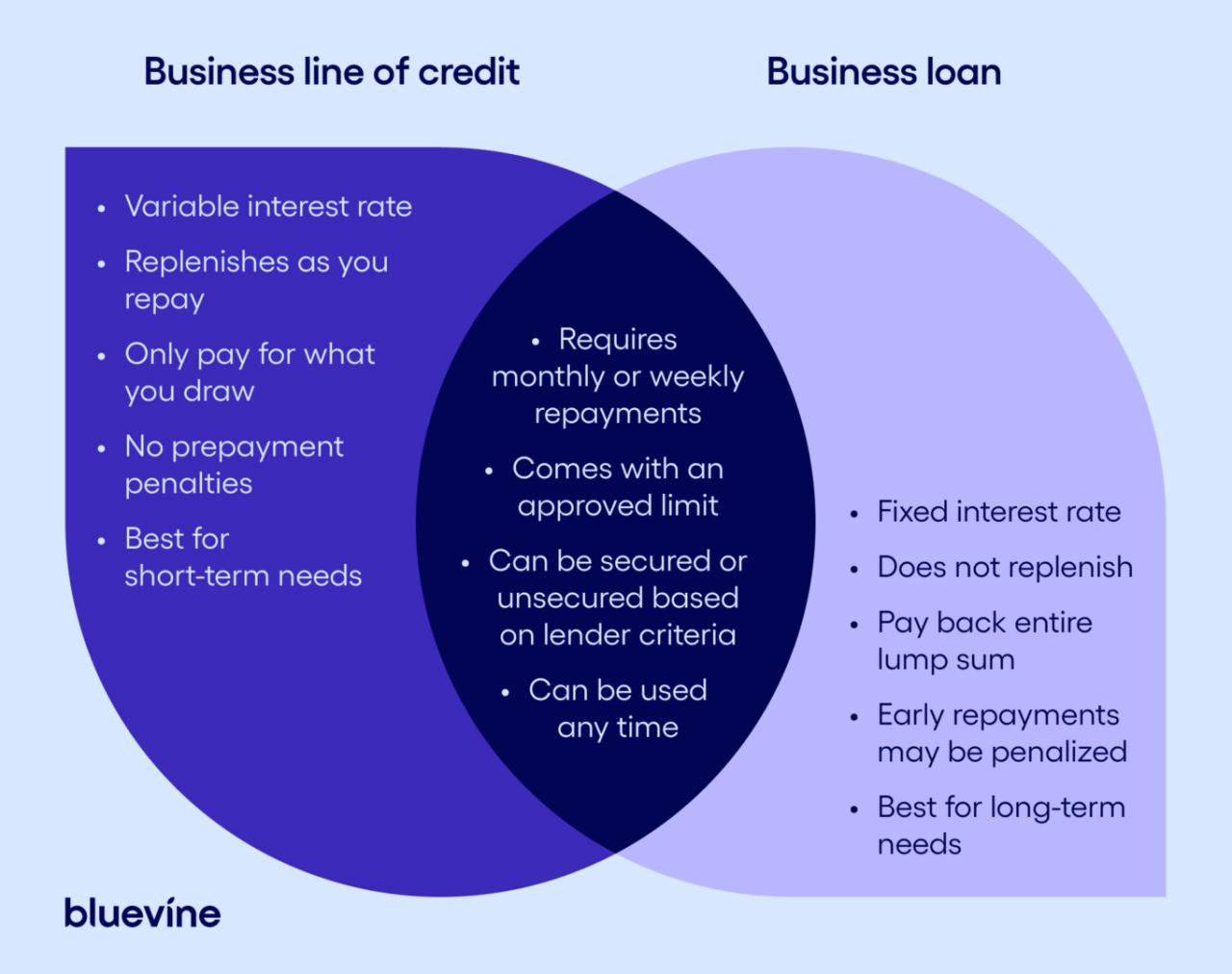
When considering a business line of credit, it’s essential to understand the various costs involved to make an informed decision.
Types of Fees for Business Lines of Credit
Businesses may encounter different types of fees when utilizing a line of credit, including:
- Interest Rates: This is the cost of borrowing the funds, typically expressed as an annual percentage rate (APR).
- Origination Fees: Charged by the lender for processing the line of credit application and setting up the account.
- Maintenance Fees: Some lenders may impose a fee for maintaining the line of credit, regardless of whether funds are used.
- Draw Fees: Applied each time funds are withdrawn from the line of credit.
- Unused Line Fees: A fee charged if a business does not utilize the full credit limit.
Comparing Costs with Other Financing Options
Business lines of credit offer flexibility and quick access to funds, but it’s crucial to compare the costs with other financing options to determine the most cost-effective solution. When comparing costs, consider factors such as:
- Interest Rates: Compare the APR of a business line of credit with other loan options, such as term loans or business credit cards.
- Fees Structure: Evaluate the total cost of fees associated with each financing option to determine the most affordable choice.
- Repayment Terms: Consider the repayment schedule and flexibility offered by different financing options to choose the one that best suits your business’s financial needs.
Limits on Business Line of Credit
When it comes to a business line of credit, the credit limit plays a crucial role in determining how much funding a business can access. Understanding how these limits are set is essential for businesses looking to secure the right amount of financing.
Factors Impacting Credit Limits
- The financial health of the business: Lenders will assess the revenue, cash flow, profitability, and overall financial stability of the business to determine the credit limit.
- Credit history: A business with a strong credit history is likely to qualify for a higher credit limit compared to a business with a limited or poor credit history.
- Collateral: Offering collateral can sometimes help increase the credit limit as it provides security for the lender in case of default.
- Industry risk: Certain industries may be considered higher risk, impacting the credit limit offered to businesses operating in those sectors.
Examples of Different Credit Limits
| Business Size | Credit Limit Range |
|---|---|
| Small Business | $10,000
|
| Medium Business | $50,000
|
| Large Corporation | $200,000
|
Repayment Terms for Business Line of Credit
When it comes to business lines of credit, understanding the repayment terms is crucial for managing your finances effectively. Let’s delve into the common repayment terms associated with business lines of credit and how they work.
Minimum Payments Calculation
- Minimum payments for business lines of credit are typically calculated based on a percentage of the outstanding balance or a fixed amount set by the lender.
- Some lenders may also factor in the interest accrued during the billing cycle when calculating the minimum payment.
- It’s important to note that making only the minimum payment can lead to higher overall interest costs and prolong the time it takes to pay off the balance.
Flexibility in Repayment Terms
- Business lines of credit offer flexibility in repayment terms, allowing borrowers to make payments based on their cash flow and financial situation.
- Borrowers can choose to pay off the balance in full each month to avoid accruing interest or make minimum payments when cash flow is tight.
- Some lenders may also offer the option to make interest-only payments for a certain period, giving businesses more time to generate revenue before paying down the principal.
FAQ Section
What factors impact business line of credit rates?
Factors such as credit score, business financial health, and market conditions can impact business line of credit rates.
How are business line of credit fees structured?
Business line of credit fees can be structured as an annual fee, draw fees, or maintenance fees.
What are typical repayment terms for business lines of credit?
Common repayment terms for business lines of credit include monthly payments, interest-only payments, or revolving credit lines.