Employment Discrimination Lawyer: Claims, Evidence, and Settlement Factors
Delving into the realm of Employment Discrimination Lawyer: Claims, Evidence, and Settlement Factors, this introductory passage aims to draw in readers with a comprehensive look at the subject matter.
Exploring the various facets of claims, evidence, and settlement factors in employment discrimination cases, this discussion sheds light on crucial aspects of legal proceedings.
Claims made by Employment Discrimination Lawyers
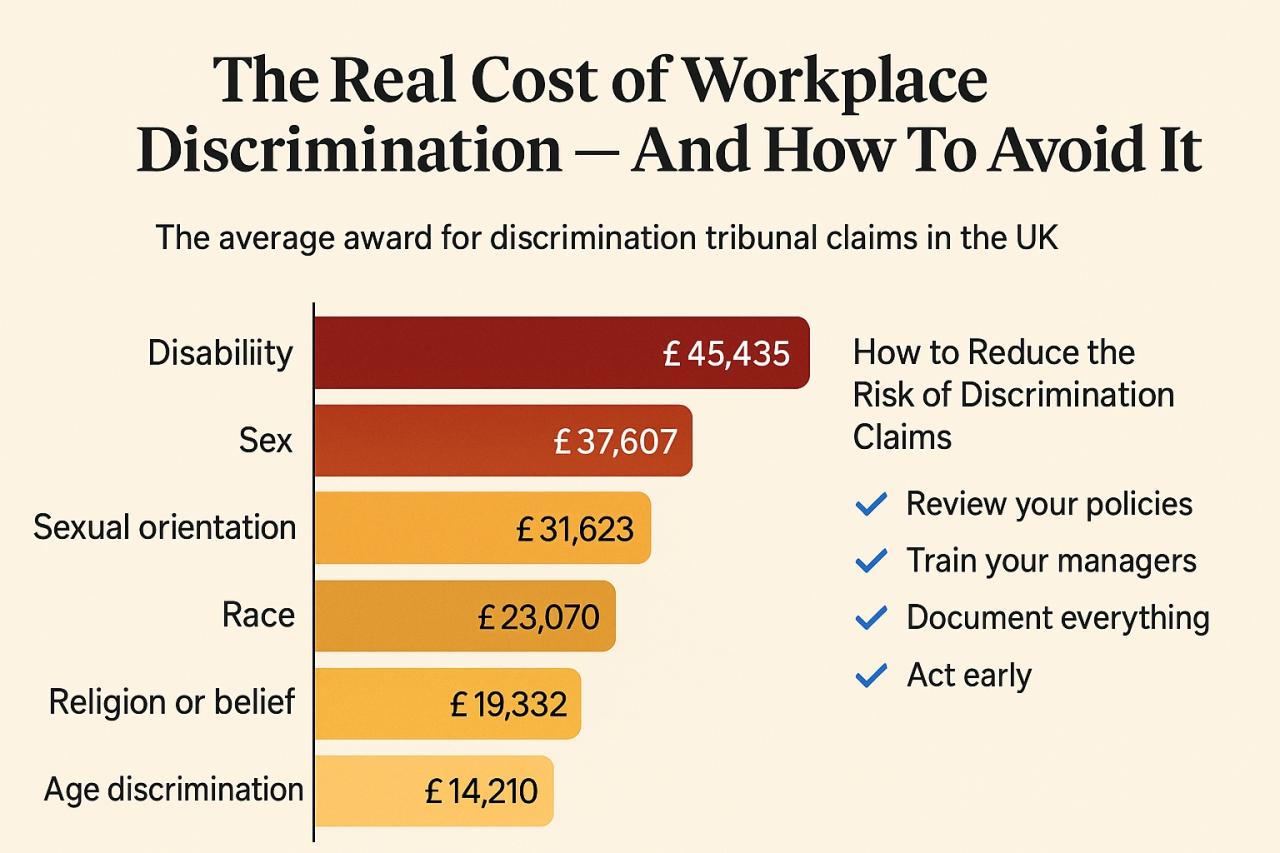
Employment discrimination lawyers handle a variety of claims related to unfair treatment in the workplace based on protected characteristics. These claims can range from wrongful termination to harassment and retaliation.
Common Types of Claims
- Wrongful Termination: When an employee is fired for reasons related to their race, gender, age, disability, or other protected characteristic.
- Harassment: Including sexual harassment, racial harassment, or other forms of discriminatory behavior that create a hostile work environment.
- Retaliation: When an employee faces adverse actions for reporting discrimination or participating in discrimination investigations.
- Wage Discrimination: Unequal pay based on gender, race, or other protected characteristics.
High-Profile Cases
- Ellen Pao v. Kleiner Perkins: Former employee Ellen Pao sued venture capital firm Kleiner Perkins for gender discrimination and retaliation.
- Blatt v. Cabela’s: A class-action lawsuit alleging disability discrimination against outdoor retailer Cabela’s.
- Dukes v. Walmart: A gender discrimination case against Walmart that became the largest class-action lawsuit in U.S. history.
Legal Basis for Claims
Employment discrimination claims are typically based on federal laws such as Title VII of the Civil Rights Act of 1964, the Americans with Disabilities Act (ADA), the Age Discrimination in Employment Act (ADEA), and the Equal Pay Act. These laws prohibit discrimination based on race, color, religion, sex, national origin, age, disability, or gender.
Evidence required in Employment Discrimination Cases
When it comes to proving employment discrimination, having the right evidence is crucial in supporting your claim. Employment discrimination lawyers rely on various types of evidence to build a strong case and seek justice for their clients.
Types of Evidence
- Direct evidence: This includes explicit statements or actions that show discriminatory intent, such as derogatory remarks or discriminatory policies.
- Circumstantial evidence: Indirect evidence that requires inference to establish discrimination, such as patterns of behavior or statistical disparities.
- Comparative evidence: Evidence that compares the treatment of the affected individual with that of others in similar situations to highlight discrepancies.
- Emails, text messages, and other documentation: Written communication that may reveal discriminatory attitudes or actions within the workplace.
Gathering and Presenting Evidence
Employment discrimination lawyers often conduct thorough investigations to gather evidence, including interviewing witnesses, reviewing documents, and analyzing company policies. They present this evidence in a compelling manner during legal proceedings to strengthen their client’s case.
Examples of Compelling Evidence
- A series of emails between supervisors discussing an employee’s age in a negative light, indicating bias based on age.
- Testimony from multiple employees who witnessed discriminatory behavior or comments in the workplace, corroborating the plaintiff’s claims.
- Data showing a significant pay gap between employees of different genders or races performing similar roles, demonstrating unequal treatment.
Factors influencing Settlements in Employment Discrimination Cases
When it comes to reaching settlements in employment discrimination cases, various factors come into play that can significantly impact the negotiation process and the final outcome. Understanding these factors is crucial for both parties involved.
Evidence Strength and Company Policy
The strength of the evidence presented by the plaintiff and the defendant can heavily influence settlement negotiations. If one party has strong evidence supporting their claims, the other party may be more inclined to settle to avoid the risks associated with going to trial.
Additionally, company policy on handling discrimination claims can also impact settlement discussions. Companies with a history of settling cases quickly may be more willing to negotiate a settlement to avoid negative publicity.
Legal Precedents and Mediation
Legal precedents play a significant role in shaping settlement negotiations in employment discrimination cases. Both parties will consider past court rulings and settlements to assess the potential outcomes of a trial. Furthermore, mediation can be a valuable tool in reaching settlements by providing a neutral third party to facilitate discussions and help both sides find common ground.
Challenges in Settlement Discussions
- One of the main challenges in settlement discussions is reaching a mutually acceptable agreement on the terms of the settlement. Both parties may have different expectations and priorities, making it difficult to find common ground.
- Another challenge is the emotional aspect involved in employment discrimination cases. Discrimination claims can be highly sensitive and personal, leading to heightened emotions that can impede the negotiation process.
- Additionally, the complexity of employment laws and regulations can add another layer of difficulty to settlement discussions. Ensuring that the terms of the settlement comply with all legal requirements is essential for a successful resolution.
Essential FAQs
What types of evidence are typically used in employment discrimination cases?
Evidence in such cases can include emails, witness testimonies, performance evaluations, and any documentation that supports the claim of discrimination.
How do legal precedents influence settlement negotiations?
Legal precedents set guidelines for how similar cases have been decided in the past, which can heavily influence settlement negotiations as parties may consider the likelihood of success in court.
What challenges are commonly faced during settlement discussions?
Challenges in settlement discussions can include disagreement on the value of the claim, issues with confidentiality, and difficulties in coming to a mutually acceptable agreement.
![How to File a CRD Complaint in California [2025 Update]](https://wrz.radarpekalongan.id/wp-content/uploads/2026/10/wrongful-termination-damages-768x768.jpg)