
Estate Planning Attorney: Costs, Wills, Trusts, and Legal Services Explained
Estate Planning Attorney: Costs, Wills, Trusts, and Legal Services Explained sets the stage for this enthralling narrative, offering readers a glimpse into a story that is rich in detail with casual formal language style and brimming with originality from the outset.
Delve into the intricate world of estate planning and legal services with a focus on costs, wills, trusts, and more, as we unravel the complexities and nuances of this essential aspect of financial and legal planning.
Understanding Estate Planning Attorney Costs
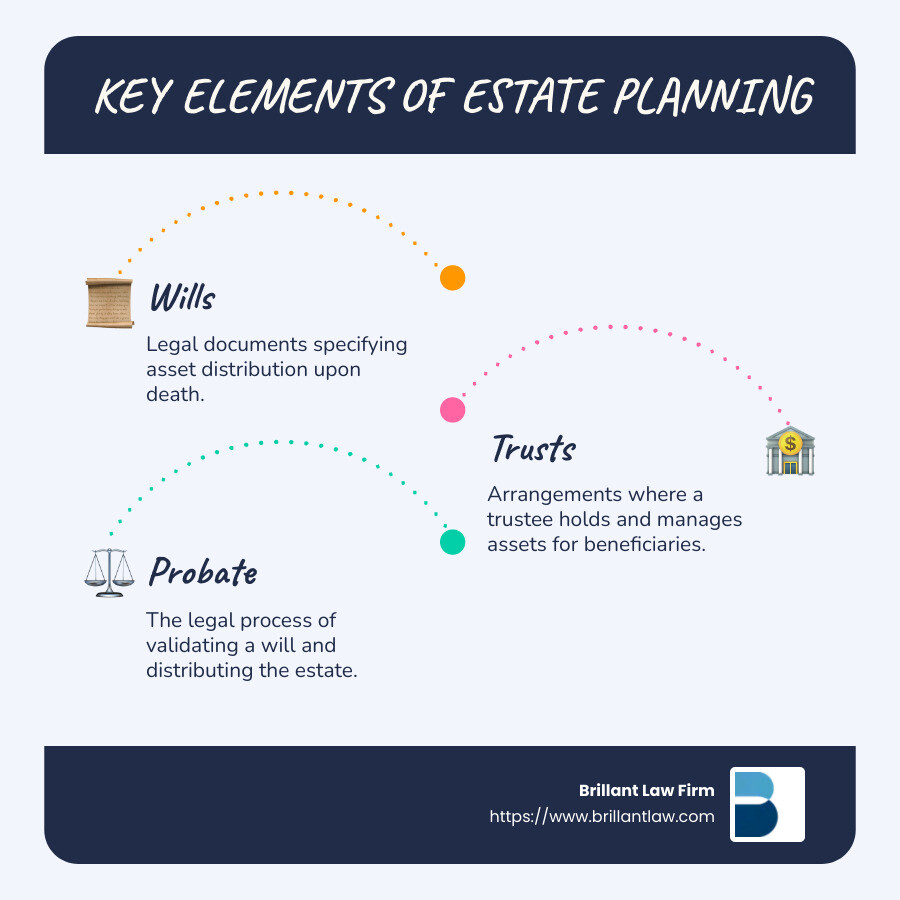
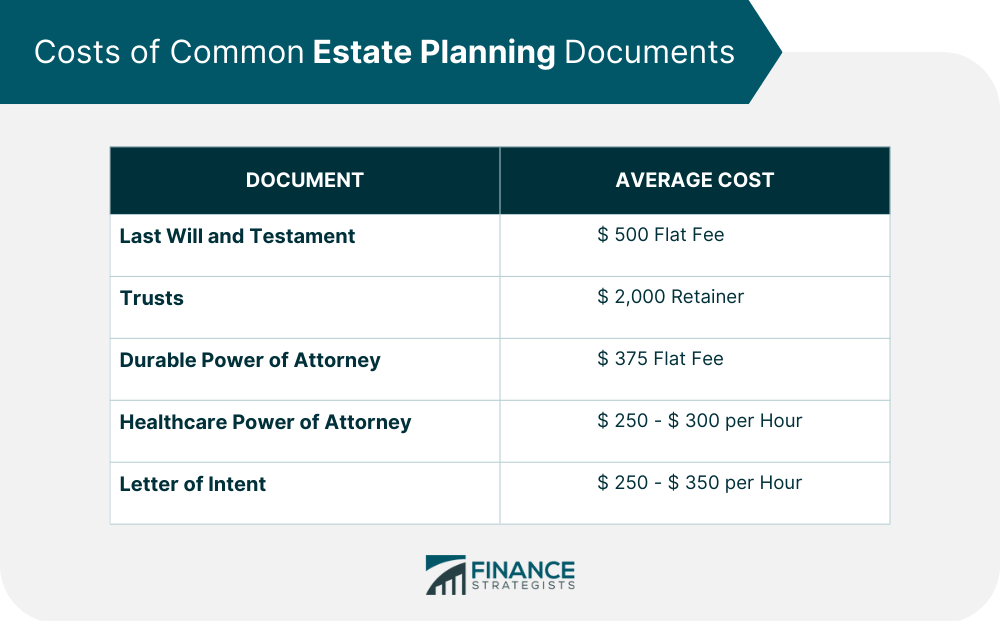
When considering hiring an estate planning attorney, it is essential to understand the factors that influence the costs associated with their services. Various elements can impact the fees charged by estate planning attorneys, including the complexity of your estate, the attorney’s level of experience, and the region in which you reside.
Factors Influencing Costs
- The complexity of your estate: If your estate involves multiple properties, businesses, or significant assets, the attorney may need to put in more time and effort to create a comprehensive plan, leading to higher costs.
- Attorney’s experience and expertise: Attorneys with more experience and specialized knowledge in estate planning may charge higher fees for their services.
- Geographic location: The cost of living and demand for estate planning services in your area can also impact the fees charged by attorneys.
Fee Structures
- Hourly rates: Some estate planning attorneys charge by the hour, with rates varying depending on the attorney’s experience and the complexity of the work involved.
- Flat fees: Other attorneys may offer flat fees for specific estate planning services, such as creating a will or setting up a trust.
- Percentage-based fees: In some cases, attorneys may charge a percentage of the total estate value as their fee.
Cost Comparison: Will vs. Trust
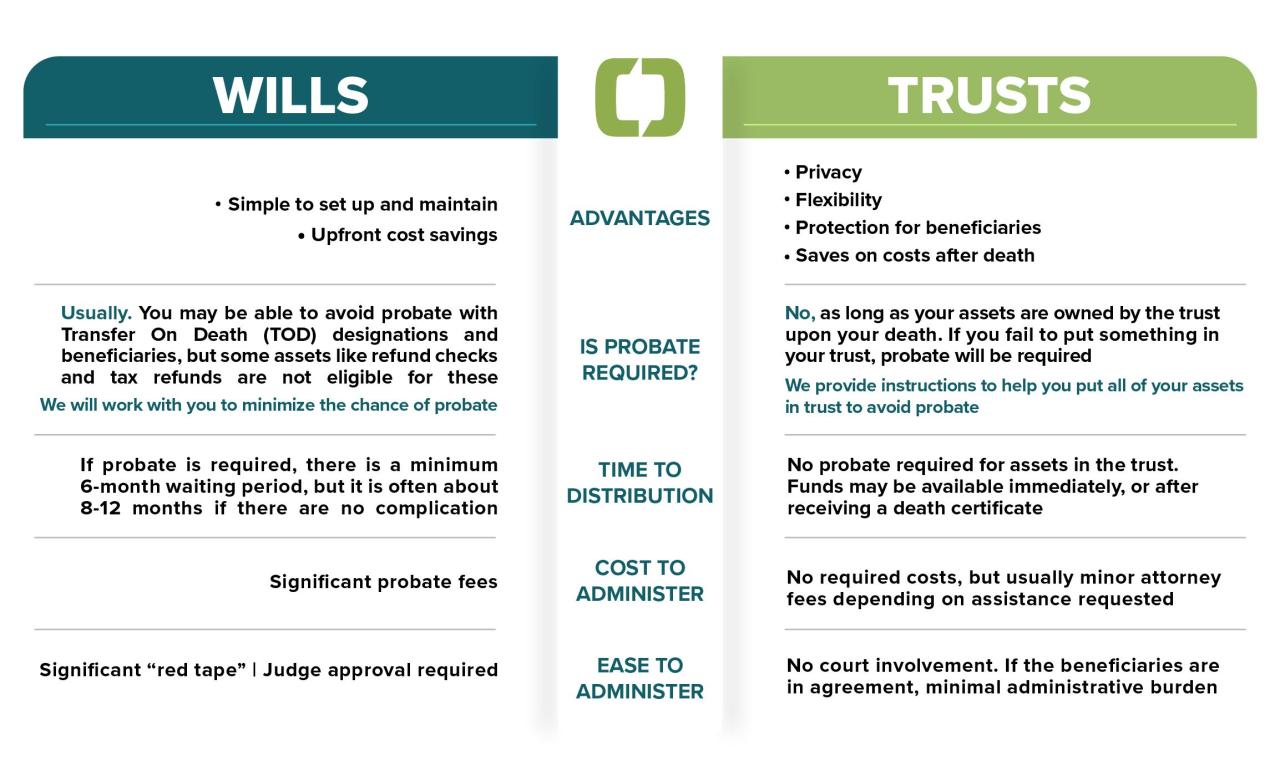
When deciding between creating a will or setting up a trust with the help of an attorney, it is essential to consider the costs involved. While the cost of creating a will is typically lower than that of setting up a trust, the complexity of your estate and your specific goals should guide your decision.
Importance of Transparency
Transparency in cost estimates from estate planning attorneys is crucial to ensure that you understand the fees involved and can make informed decisions about your estate plan.
By discussing fees upfront and providing clear estimates, attorneys can build trust with their clients and avoid any misunderstandings regarding costs.
Wills
An essential component of estate planning is the creation of a will, a legal document that Artikels your wishes regarding the distribution of your assets after your passing. Having a will in place ensures that your assets are distributed according to your wishes and can help avoid disputes among family members.
Legal Requirements for a Valid Will
- A will must be in writing and signed by the testator (the person making the will).
- The testator must be of sound mind and must sign the will voluntarily.
- Witnesses are usually required to sign the will in the presence of the testator.
- The will must clearly identify the testator’s assets and beneficiaries.
Importance of Having a Will
- Having a will allows you to designate who will receive your assets, ensuring your wishes are carried out.
- A will can help minimize estate taxes and other costs, potentially saving your heirs money.
- If you have minor children, a will allows you to appoint a guardian to care for them in the event of your passing.
Updating or Modifying a Will
- If you experience major life changes, such as marriage, divorce, or the birth of a child, it is important to update your will to reflect these changes.
- An estate planning attorney can assist you in making updates to your will to ensure it remains valid and up to date with your current wishes.
Trusts
Setting up a trust is a common estate planning tool that offers various benefits compared to a will. Understanding the types of trusts, their advantages, and key considerations is essential for effective estate planning.
Types of Trusts
- Revocable Living Trust: Allows assets to be transferred without probate, offers flexibility, and can be changed during the grantor’s lifetime.
- Irrevocable Trust: Provides asset protection, tax benefits, and ensures the grantor gives up control over the assets.
- Charitable Trust: Enables donations to charitable causes while providing tax advantages for the grantor.
Benefits of Trusts
- Avoiding Probate: Assets held in a trust bypass probate, saving time and money for beneficiaries.
- Privacy: Trusts offer confidentiality as they are not part of the public record like a will.
- Asset Protection: Irrevocable trusts shield assets from creditors and potential lawsuits.
Role of a Trustee
- Manages Trust Assets: The trustee is responsible for overseeing the trust, investing assets, and distributing them according to the trust’s terms.
- Fiduciary Duty: Trustees must act in the best interests of the beneficiaries and follow the trust’s instructions diligently.
Considerations for Establishing a Trust
- Choosing the Right Trust Type: Consider your goals, assets, and beneficiaries to select the most suitable trust.
- Selecting a Trustee: Opt for someone trustworthy, competent, and capable of fulfilling their fiduciary duties.
- Updating the Trust: Regularly review and update the trust to reflect changes in your life, finances, or laws.
Legal Services Offered by Estate Planning Attorneys
Estate planning attorneys provide a wide range of legal services to help individuals protect their assets and ensure their wishes are carried out after they pass away. These professionals specialize in creating comprehensive estate plans tailored to each client’s unique needs and goals.
Complex Legal Matters Estate Planning Attorneys Can Assist With
- Creating wills and trusts
- Establishing powers of attorney and healthcare directives
- Minimizing estate taxes
- Planning for business succession
- Addressing special needs planning
Importance of Ongoing Legal Support in Estate Planning
Having ongoing legal support ensures that your estate plan remains up to date and reflects any changes in your personal or financial situation. Estate planning attorneys can help you make necessary adjustments to your plan as needed.
Assistance with Probate and Estate Administration
Estate planning attorneys play a crucial role in helping clients navigate the complex probate and estate administration processes. They provide guidance on fulfilling legal requirements, distributing assets, and resolving any disputes that may arise during the probate process.
Query Resolution
What factors influence Estate Planning Attorney costs?
Factors such as the attorney’s experience, the complexity of the estate, and the services required can impact the costs.
Why is transparency in cost estimates important when dealing with estate planning attorneys?
Transparency ensures clients understand the financial implications of the services they are receiving and helps in building trust between the attorney and client.
What are the legal requirements for a will to be considered valid?
A will must be created voluntarily, by a person of sound mind, and must follow specific formalities as per state laws to be considered legally valid.
What are some benefits of setting up a trust compared to a will in estate planning?
Trusts offer privacy, avoid probate, and provide more control over assets compared to wills.
What legal services can estate planning attorneys provide beyond wills and trusts?
Estate planning attorneys can assist with issues like asset protection, healthcare directives, and business succession planning.