
Commercial Property Loan: Rates, Deposits, and Financing Requirements – A Comprehensive Guide
Exploring the realm of Commercial Property Loan: Rates, Deposits, and Financing Requirements, this introduction aims to provide a captivating overview that delves into the intricacies of securing loans for commercial properties.
It will shed light on the various aspects of commercial property loans, from interest rates to deposit requirements, offering valuable insights for businesses and individuals alike.
Understanding Commercial Property Loans
Commercial property loans are financial products designed specifically for businesses looking to purchase or refinance properties for commercial use. These loans differ from residential mortgages in terms of eligibility criteria, interest rates, and repayment terms.
Types of Commercial Properties
- Office buildings
- Retail spaces
- Industrial warehouses
- Hotels and motels
- Multi-family residential buildings
Benefits of Commercial Property Loans
- Flexible financing options tailored to business needs
- Potential for higher loan amounts compared to residential loans
- Tax benefits such as deductions on mortgage interest and depreciation
- Opportunity to build equity through property appreciation
Commercial Property Loan Rates
When it comes to commercial property loan rates, understanding how lenders determine these rates is crucial for borrowers. Various factors come into play when setting the interest rates for commercial property loans, and knowing what influences these rates can help borrowers make informed decisions.
Additionally, the choice between fixed-rate and variable-rate loans can have a significant impact on the overall cost of borrowing.
Determination of Commercial Property Loan Rates
Commercial property loan rates are typically determined by a combination of factors, including the current market interest rates, the lender’s cost of funds, the borrower’s creditworthiness, the loan-to-value ratio, and the overall risk associated with the loan. Lenders will assess these factors to determine the interest rate that will be charged on the loan.
Factors Influencing Commercial Property Loan Rates
- The current market interest rates play a significant role in determining commercial property loan rates. Lenders often adjust their rates based on prevailing market conditions.
- The lender’s cost of funds is another crucial factor. Lenders need to cover their own borrowing costs and make a profit, so this cost is factored into the interest rate charged to borrowers.
- Borrower’s creditworthiness is also essential. Borrowers with higher credit scores are considered less risky and may be offered lower interest rates compared to those with lower credit scores.
- The loan-to-value ratio, which is the ratio of the loan amount to the value of the property, can impact the interest rate. Lower loan-to-value ratios may result in lower rates.
- The overall risk associated with the loan, including factors like property type, location, and market conditions, can influence the interest rate offered by lenders.
Fixed-Rate vs. Variable-Rate Commercial Property Loans
When choosing between fixed-rate and variable-rate commercial property loans, borrowers need to consider their risk tolerance and future interest rate expectations.
- Fixed-Rate Loans:These loans offer borrowers a set interest rate for the entire loan term, providing predictability and stability in monthly payments. However, fixed-rate loans may have slightly higher initial rates compared to variable-rate loans.
- Variable-Rate Loans:These loans have interest rates that can fluctuate based on market conditions. Borrowers may benefit from lower initial rates with variable-rate loans, but there is a risk of rates increasing over time, leading to higher payments.
Deposits for Commercial Property Loans
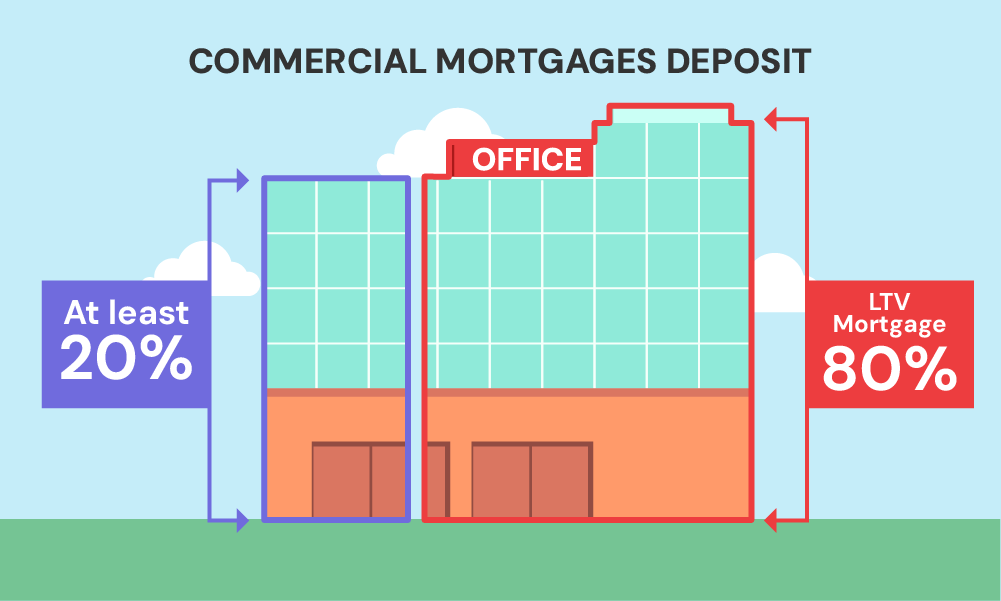
When it comes to obtaining a commercial property loan, one of the key factors to consider is the deposit requirement. Understanding the typical deposit requirements for commercial property loans, how the deposit amount can impact loan terms and approval, and strategies for saving for a commercial property loan deposit is crucial for a successful loan application process.
Typical Deposit Requirements
- Commercial property loans typically require a higher deposit compared to residential loans. The deposit amount can range from 20% to 40% of the property’s value.
- Lenders may also consider the loan-to-value ratio (LVR), which is the percentage of the property value that you are borrowing. A lower LVR indicates a lower risk for the lender.
Impact on Loan Terms and Approval
- A larger deposit amount can lead to more favorable loan terms, such as lower interest rates and reduced fees.
- Having a higher deposit can also increase your chances of loan approval, as it demonstrates your financial stability and commitment to the investment.
Strategies for Saving for a Deposit
- Create a budget and savings plan specifically for your commercial property loan deposit. Cut down on unnecessary expenses and prioritize saving.
- Consider additional sources of income or investments to boost your savings for the deposit.
- Explore government grants or incentives that may help first-time commercial property buyers with their deposit requirements.
Financing Requirements for Commercial Property Loans

When looking to secure a commercial property loan, it is essential to understand the financing requirements that lenders typically look for. Meeting these requirements is crucial for loan approval and ensuring a smooth borrowing process.
Standard Financing Requirements
- Good credit score: Lenders will typically look for a solid credit score to assess your creditworthiness. A higher credit score increases your chances of loan approval and may result in better loan terms.
- Financial documents: Be prepared to provide financial documents such as tax returns, profit and loss statements, and bank statements. These documents help lenders evaluate your financial health and ability to repay the loan.
- Down payment: Commercial property loans usually require a down payment ranging from 10% to 30% of the property’s purchase price. The exact amount will depend on the lender’s policies and the type of property you are financing.
- Debt-to-income ratio: Lenders will also look at your debt-to-income ratio to ensure you can comfortably manage the additional debt from the loan. A lower ratio indicates a healthier financial position.
Documentation Needed for Loan Approval
- Proof of income: Lenders will require proof of stable income to ensure you have the means to repay the loan. This may include pay stubs, W-2 forms, or income tax returns.
- Property information: You will need to provide details about the commercial property you are financing, such as its appraised value, location, and potential rental income.
- Business plan: If you are purchasing the property for business purposes, a detailed business plan outlining your goals, financial projections, and market analysis may be necessary.
Tips for Preparing Financially
- Improve your credit score: Work on improving your credit score before applying for a commercial property loan. Paying bills on time and reducing existing debt can help boost your score.
- Save for a larger down payment: Saving up for a larger down payment can reduce the loan amount and potentially lower your interest rate. Consider cutting expenses and increasing savings to reach your down payment goal.
- Organize your financial documents: Gather all necessary financial documents in advance to streamline the loan application process. Having everything prepared can speed up the approval process.
Frequently Asked Questions
What is the typical range of interest rates for commercial property loans?
Interest rates for commercial property loans usually range from 4% to 6%, but can vary based on factors such as credit score and loan term.
What are the usual deposit requirements for commercial property loans?
Typically, lenders require a deposit of 20% to 30% of the property’s value for commercial property loans.
How can one improve their chances of approval for a commercial property loan?
To enhance approval odds, individuals can work on improving credit scores, maintaining stable income, and ensuring all necessary documentation is in order.