Divorce Lawyer Cost: Legal Fees, Court Expenses, and What to Expect
Delving into Divorce Lawyer Cost: Legal Fees, Court Expenses, and What to Expect, this introduction immerses readers in a unique and compelling narrative, with casual formal language style that is both engaging and thought-provoking from the very first sentence.
Exploring the intricacies of divorce lawyer costs can shed light on the financial aspects of legal proceedings, offering insights that are crucial for those navigating this terrain.
Factors Affecting Divorce Lawyer Costs
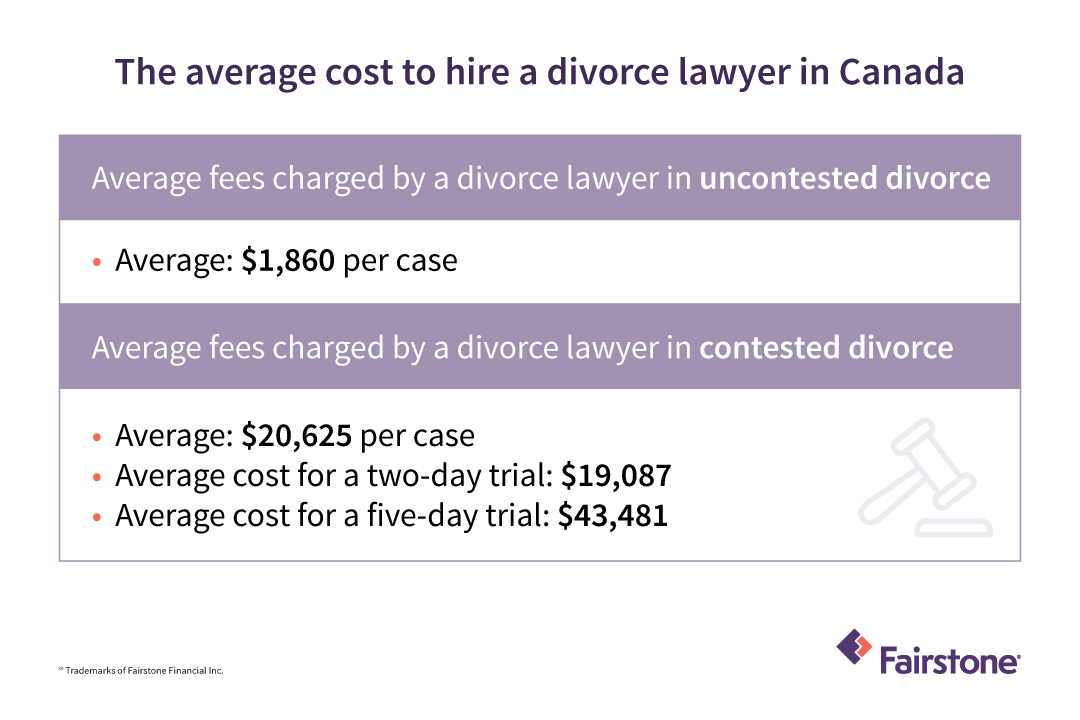
When considering the cost of hiring a divorce lawyer, several factors come into play that can influence the overall expenses. Understanding these factors can help individuals anticipate and budget for legal fees effectively.
Complexity of the Case
The complexity of a divorce case can significantly impact the cost of legal representation. Cases involving high-conflict situations, intricate asset division, or contentious child custody battles may require more time and resources from the lawyer, leading to higher fees.
Lawyer’s Experience
The experience and expertise of the divorce lawyer also play a crucial role in determining the cost. Lawyers with years of experience and a successful track record may charge higher fees due to their specialized knowledge and skills in handling complex divorce matters.
Geographical Location
The geographical location where the divorce is taking place can affect legal fees. Lawyers practicing in metropolitan areas or regions with a high cost of living may have higher hourly rates compared to those in more rural areas. It’s essential to consider the location when budgeting for legal expenses.
Additional Services
In some cases, additional services such as mediation or expert witnesses may be necessary to resolve divorce disputes. These services can add to the overall expenses, as they require additional time and expertise from the lawyer. It’s important to discuss the need for any extra services upfront to understand the potential cost implications.
Asset Division and Child Custody Arrangements
The complexity of asset division and child custody arrangements can also impact the total cost of hiring a divorce lawyer. Disputes over property division, alimony, or child support can prolong the legal process and increase legal fees. It’s crucial to communicate openly with your lawyer about your priorities and concerns to manage costs effectively.
Breakdown of Legal Fees
When hiring a divorce lawyer, it is essential to understand the typical breakdown of legal fees to avoid any surprises during the legal process. Lawyers usually charge their clients through various fee structures, including hourly rates, flat fees, or retainer fees.
Each fee structure has its advantages and disadvantages, so it is crucial to compare and contrast them to determine which one suits your situation best.
Hourly Rates
One common way that divorce lawyers charge their clients is through hourly rates. In this fee structure, clients are billed for the actual time spent by the lawyer working on their case. Hourly rates can vary depending on the lawyer’s experience, location, and the complexity of the case. Clients should be aware that hourly rates can add up quickly, especially in lengthy or contentious divorce proceedings.
Flat Fees
Another option for legal fees is flat fees, where clients pay a set amount for specific legal services. Flat fees are often used for straightforward divorce cases where the lawyer can predict the amount of work required. This fee structure provides clients with cost certainty and avoids unexpected bills. However, flat fees may not cover additional services or unexpected complications that may arise during the legal process.
Retainer Fees
Some divorce lawyers may require clients to pay a retainer fee upfront, which is a deposit that the lawyer holds in a trust account. The lawyer then bills the client against the retainer as they work on the case. Retainer fees are common for ongoing legal representation and can provide clients with continuous access to legal services. However, clients should be aware of any unused retainer funds and how they will be refunded at the end of the case.
Hidden Costs
Clients should also be aware of any hidden costs that may arise during the legal process, such as court fees, filing fees, expert witness fees, or document preparation fees. These additional expenses can add to the overall cost of the divorce proceedings, so it is essential to discuss them with your lawyer upfront and include them in your budget.
Court Expenses in a Divorce Case
When going through a divorce, court expenses can add up quickly, impacting the overall cost of the legal process. Understanding the various court expenses that may arise is essential for financial planning and managing expectations.
Filing Court Documents
- When initiating a divorce case, there are filing fees associated with submitting the necessary court documents to start the legal proceedings.
- These fees can vary depending on the jurisdiction and the complexity of the case.
Serving Papers
- Another expense in a divorce case is serving legal documents to the other party, which may involve hiring a process server or utilizing certified mail.
- These costs can fluctuate based on the method of service and the location of the recipient.
Attending Hearings
- Attending court hearings, whether for mediation sessions or trial dates, can incur additional costs, including attorney fees for representation.
- The number of hearings required and the duration of each session can impact the overall expenses.
Court-Mandated Mediation or Expert Testimony
- In some cases, the court may require mediation sessions to help the parties reach a settlement outside of court, leading to mediation fees.
- If expert testimony is needed to support a certain aspect of the case, such as property valuation or child custody evaluations, there will be additional costs associated with hiring these professionals.
Variability of Court Expenses
- Court expenses can vary significantly depending on the complexity of the divorce case, the need for additional services, and the duration of the legal process.
- High-conflict divorces or cases involving substantial assets may lead to higher court expenses due to extended litigation and the involvement of experts.
What to Expect in Terms of Total Cost

When going through a divorce, understanding the total cost involved in hiring a divorce lawyer is crucial for proper financial planning. This includes legal fees, court expenses, and any additional costs that may arise during the process.To help you prepare and budget effectively, it’s essential to break down the potential costs and explore strategies to minimize expenses without compromising the quality of legal representation.
Potential Costs Involved in Hiring a Divorce Lawyer
| Cost Category | Details |
|---|---|
| Legal Fees | Hourly rates or flat fees charged by the lawyer for their services. |
| Court Expenses | Filing fees, court appearances, and other related costs for legal proceedings. |
| Additional Costs | Expert witness fees, document preparation costs, and any other unforeseen expenses. |
Strategies for Minimizing Costs
1. Communicate openly with your lawyer about your financial constraints and explore flexible payment options.
2. Opt for mediation or collaborative divorce processes that can be more cost-effective than litigation.
3. Stay organized and provide all necessary information promptly to avoid unnecessary delays.
4. Consider unbundled legal services where you only pay for specific tasks rather than full representation.
Tips for Negotiating Fees with a Divorce Lawyer
1. Compare rates from multiple lawyers to ensure you are getting a fair price for the services offered.
2. Ask for a detailed breakdown of all potential costs and fees upfront to avoid surprises later on.
3. Inquire about any available discounts or packages for bundled services to save on overall costs.
4. Be clear about your expectations and discuss fee structures that align with your budget and needs.
Common Queries
What factors can influence divorce lawyer costs?
Factors such as case complexity, lawyer experience, and geographical location can impact legal fees. Additional services like mediation or expert witnesses can also contribute to increased expenses.
How do lawyers typically charge for their services?
Lawyers may charge hourly rates, flat fees, or retainer fees. Clients should be aware of any hidden costs that could arise during the legal process.
What court expenses might be incurred during a divorce case?
Court expenses can include filing fees, serving papers, attending hearings, and costs related to mediation or expert testimony. These expenses can vary based on the case’s complexity.
How can clients budget and prepare for the total cost of hiring a divorce lawyer?
Clients can anticipate potential costs by creating a budget that includes legal fees and court expenses. Strategies for minimizing costs while maintaining quality representation can also help manage expenses effectively.